
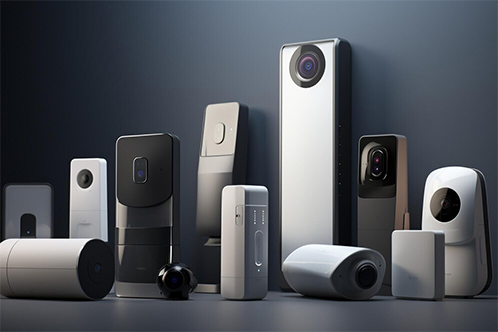
Electronic security and safety refer to the systems, devices, and technologies used to protect people, property, and information from unauthorized access, theft, damage, or harm. This field encompasses a wide range of applications, including surveillance, access control, alarms, and emergency response systems.
Here are some of the main components:
1. Surveillance Systems
-
CCTV (Closed-Circuit Television): A system of cameras used for monitoring and recording activities in various locations for security purposes.
-
IP Cameras: These are digital cameras that connect to the internet for remote monitoring.
-
Motion Detectors: Sensors that detect movement in a given area, often integrated with security cameras and alarms.
2. Access Control Systems
-
Card Readers and Keypads: Used to control entry to buildings or secure areas, only allowing authorized personnel to gain access.
-
Biometrics: Systems that use fingerprint, iris, facial recognition, or other biological traits to grant access.
-
Smart Locks: Allow remote control over locking and unlocking doors via apps or integrated systems.
3. Alarm Systems
-
Intruder Alarms: Systems designed to detect unauthorized entry into a building, often coupled with sensors on doors, windows, and walls.
-
Fire and Smoke Alarms: These systems detect smoke, heat, or fire within a building, triggering alarms and notifications for evacuation.
-
Carbon Monoxide Detectors: Alert people to dangerous levels of carbon monoxide gas, which is odorless and potentially deadly.
4. Emergency Response Systems
-
Panic Buttons: Devices that can trigger an alert for immediate help in case of a crisis.
-
Intercom Systems: Allow communication with individuals at entry points or within a building for security purposes.
-
Automated Emergency Notification Systems (AENS): Used to notify individuals about emergencies, such as fires, medical events, or other threats.
5. Perimeter Security
-
Fencing and Barriers: Physical boundaries to prevent unauthorized access to properties or buildings.
-
Motion-Activated Lights: Lights that turn on when movement is detected, often used in outdoor security settings.
-
Ground Sensors: Detect motion or vibrations in specific areas, such as around the perimeter of a building.
6. Cybersecurity
-
Firewall Protection: Protects networks from unauthorized access or cyber-attacks.
-
Encryption: Protects sensitive data and communications from interception or unauthorized viewing.
-
Two-Factor Authentication (2FA): A security process that requires two forms of identification before granting access to sensitive systems or information.
7. Safety Monitoring and Alerts
-
Environmental Sensors: Devices that monitor air quality, temperature, or other environmental factors that could pose a safety risk.
-
Smart Home Integration: Systems that allow users to control security devices (locks, cameras, alarms) remotely via smartphones or smart home hubs.
Electronic security and safety technologies are continuously evolving to meet the demands of modern threats, offering greater convenience, efficiency, and effectiveness in keeping people and property safe.
Would you like to dive deeper into any specific area of electronic security and safety?